
"education charity"
80 article(s) found

Introduction to the taste of varieties treated by the characteristics of grinding degree for flavor description of Rwandan coffee beans
Rwanda has been growing coffee since colonial times. Although the crops are mainly coffee, the quality of coffee produced in Rwanda is not outstanding, and its status in the coffee world is low, and few people pay attention to it. Most of the coffee varieties grown in Rwanda are bourbon. Rwanda, known as the country of Thousand Hills, has a high-altitude mountain environment, fertile volcanic soil and abundant precipitation.

Introduction to the flavor and taste of Rwandan coffee beans the characteristics of Rwandan coffee beans
In 2000, the Mayor of Malaba requested development assistance from the National University of Rwanda (UNR), which is located near the city of Butare, and the following year, the National University of Rwanda assisted in the establishment of the Joint strengthening Rwanda Agricultural Partnership (PEARL). PEARL is also supported by several organizations: the United States Agency for International Development (USAID), Michigan State University, Texas A & M University, and

Taste rich and perfect Kenyan coffee taste characteristics of boutique coffee bean Berman Manor
The Senate is composed of the President of the Senate and 68 senators, including 47 elected members (1 from each county), 16 female members (designated according to the proportion of seats in each political party in the Senate), 2 young members (1 male and 1 female), and 2 members representing persons with disabilities (1 male and 1 female). The Senate Speaker and the Deputy Senate Speaker are nominated by each party from non-members and members of its own party respectively, and are elected by the entire Senate. The Lord of the Senate
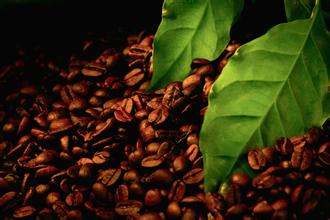
History of coffee in Rwanda
In 1999, 220 coffee growers formed guilds in the Malaba area (formerly part of Butare province) to address the disease. Among the guild members, many farmers were separated from their loved ones by the 1994 mass massacre, while some husbands were jailed or were taken to the traditional Gacaca Court (gacaca) to face trial on charges of participating in the massacre. They named the guild Abauza.

Introduction to the characteristics of boutique coffee in the manor area
Before January 1, 2006, the country was divided into 12

History of coffee in Rwanda
The Rwandans of origin have been growing coffee since colonial times, but until 1999, its products were still classified as below Class C and were not popular in the global market. The reason for the poor quality is that farmers do not have a fixed procedure for washing coffee beans and do not process coffee fruits according to specifications in time. Buyers buy coffee beans at $0.33 per kilogram, and farmers rely on the meagre profits earned at low prices.

The taste of Kenyan coffee is rich and perfect. Introduction to fine coffee beans.
Implement the presidential system. The cabinet is composed of 26 members, including the President, the Vice President, ministers and the Attorney General. The current cabinet was established in June 2013 and is composed of the President, the Vice President, ministers and the Attorney General. The cabinet list is as follows: president Uhuru Kenyatta (Uhuru Kenyatta), Vice President William Luto (William Ruto), Ministry of Interior and Central Government Coordination

Introduction to the strong and sweet coffee flavor and taste characteristics of Burman Manor in Kenya
The Senate is composed of the President of the Senate and 68 senators, including 47 elected members (1 from each county), 16 female members (designated according to the proportion of seats in each political party in the Senate), 2 young members (1 male and 1 female), and 2 members representing persons with disabilities (1 male and 1 female). The Senate Speaker and the Deputy Senate Speaker are nominated by each party from non-members and members of its own party respectively, and are elected by the entire Senate. The Lord of the Senate
Characteristics of coffee beans in Rwanda planting methods of coffee beans in Rwanda
Rwandans have been growing coffee since colonial times, but until 1999, its products were still classified as below Class C and were not popular in the global market. The reason for the poor quality is that farmers do not have a fixed procedure for washing coffee beans and do not process coffee fruits according to specifications in time. Buyers buy coffee beans at $0.33 per kilogram, and farmers keep warm by the meagre profits earned at low prices.

Boutique coffee Rwanda coffee origin Rwanda coffee practice
Rwandans have been growing coffee since colonial times, but until 1999, its products were still classified as below Class C and were not popular in the global market. The reason for the poor quality is that farmers do not have a fixed procedure for washing coffee beans and do not process coffee fruits according to specifications in time. Buyers buy coffee beans at $0.33 per kilogram, and farmers keep warm by the meagre profits earned at low prices.
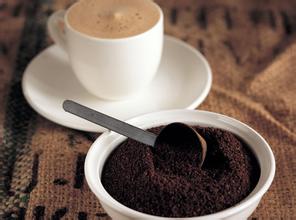
Fine coffee Rwanda Coffee characteristics introduction to Rwanda Coffee
Rwandans have been growing coffee since colonial times, but until 1999, its products were still classified as below Class C and were not popular in the global market. The reason for the poor quality is that farmers do not have a fixed procedure for washing coffee beans and do not process coffee fruits according to specifications in time. Buyers buy coffee beans at $0.33 per kilogram, and farmers keep warm by the meagre profits earned at low prices.

Fine coffee Rwanda coffee manor Rwanda coffee producing area
Rwandans have been growing coffee since colonial times, but until 1999, its products were still classified as below Class C and were not popular in the global market. The reason for the poor quality is that farmers do not have a fixed procedure for washing coffee beans and do not process coffee fruits according to specifications in time. Buyers buy coffee beans at $0.33 per kilogram, and farmers keep warm by the meagre profits earned at low prices.
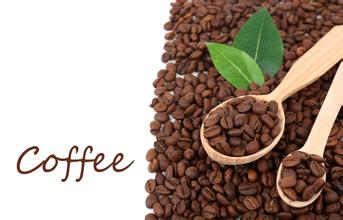
Boutique coffee Rwanda coffee flavor red apple, cherry, cinnamon, honey
Rwandans have been growing coffee since colonial times, but until 1999, its products were still classified as below Class C and were not popular in the global market. The reason for the poor quality is that farmers do not have a fixed procedure for washing coffee beans and do not process coffee fruits according to specifications in time. Buyers buy coffee beans at $0.33 per kilogram, and farmers keep warm by the meagre profits earned at low prices.
Fine coffee Rwanda coffee treatment method washing, elevated scaffolding sun drying
Rwandans have been growing coffee since colonial times, but until 1999, its products were still classified as below Class C and were not popular in the global market. The reason for the poor quality is that farmers do not have a fixed procedure for washing coffee beans and do not process coffee fruits according to specifications in time. Buyers buy coffee beans at $0.33 per kilogram, and farmers keep warm by the meagre profits earned at low prices.

Boutique coffee Rwanda coffee producing area in the western province of Lutexilo
Rwandans have been growing coffee since colonial times, but until 1999, its products were still classified as below Class C and were not popular in the global market. The reason for the poor quality is that farmers do not have a fixed procedure for washing coffee beans and do not process coffee fruits according to specifications in time. Buyers buy coffee beans at $0.33 per kilogram, and farmers keep warm by the meagre profits earned at low prices.

Creative cafe British red telephone booth has been converted into a coffee shop
Coffee shop is a kind of retail industry, which is the last link in which goods are transferred to consumers. Due to different operating conditions and contents, various specialized shops are produced, including clothing, food, and food.

The characteristic Story of Coffee beans washed with Tibica seed K72 in Santa Ferrisa Manor, Guatemala
For the exchange of professional baristas, please follow the coffee workshop (Wechat official account cafe_style) Guatemala Santa Felisa Typica K Mel 72 Guatemala San Felicia Manor Tibica seed Kenya 72 hours washing method Flavor description: Jasmine, lemongrass, chocolate, pistachios, drupes, delicate malic acid, caramel tail lasting national danger
Boutique coffee Rwanda coffee origin Rwanda coffee practice
Rwandans have been growing coffee since colonial times, but until 1999, its products were still classified as below Class C and were not popular in the global market. The reason for the poor quality is that farmers do not have a fixed procedure for washing coffee beans and do not process coffee fruits according to specifications in time. Buyers buy coffee beans at $0.33 per kilogram, and farmers keep warm by the meagre profits earned at low prices.

Description of Flavor and Taste of Fine Coffee beans washed by Tibica seed K72 in Santa Ferrisa Manor, Guatemala
For the exchange of professional baristas, please follow the coffee workshop (Wechat official account cafe_style) Guatemala Santa Felisa Typica K Mel 72 Guatemala San Felicia Manor Tibica seed Kenya 72 hours washing method Flavor description: Jasmine, lemongrass, chocolate, pistachios, drupes, delicate malic acid, caramel tail lasting national danger
Fine coffee Rwanda coffee manor Rwanda coffee producing area
Rwandans have been growing coffee since colonial times, but until 1999, its products were still classified as below Class C and were not popular in the global market. The reason for the poor quality is that farmers do not have a fixed procedure for washing coffee beans and do not process coffee fruits according to specifications in time. Buyers buy coffee beans at $0.33 per kilogram, and farmers keep warm by the meagre profits earned at low prices.